
We use cookies on this site to enhance your experience.
By selecting “Accept” and continuing to use this website, you consent to the use of cookies.

Join us as we talk to researchers, students, practitioners, and policy and social change makers to explore diverse topics related to human security. CRSP Talk features discussions about threats to human security as well as insights into how it is enhanced and sustained. Along the way, we will periodically pause to discuss the research process itself and how researchers journey from generating ideas to sharing findings.
Each podcast episode includes a full transcript of the discussion, bios for participants and special guests, and links to resources and studies mentioned.
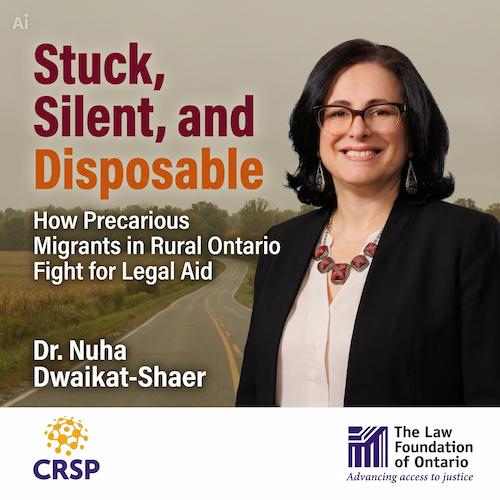
Join Dr. Nuha Dwaikat-Shaer, a social worker and researcher, discussing her qualitative study on the challenges migrants with precarious immigration status face when seeking legal aid. The discussion focuses on the lives of essential migrant workers and international students in rural Southern Ontario who are often invisible in legal and social systems, facing barriers like geographic isolation, language issues, and fear of retaliation.

In Part II of this two-part series on human trafficking, the focus shifts from sex work to migrant labour, and what is left out when trafficking frameworks dominate policy responses. This episode centres the work and expertise of migrant justice organizer and scholar Dr. Evelyn Encalada-Grez.
Listen to the Episode and Read the Episode Notes
This is the first in a special two-part series on human trafficking that takes a critical deep dive into trafficking discourse, state power, and their impact on migrant and sex workers. Featuring interviews with legal scholar Vincent Wong and organizer/writer Chanelle Gallant, Part I traces how vague and flexible trafficking frameworks can expand carceral state power, amplify racialized and colonial logics of protection, and produce real-world harms through policing, surveillance, raids, detention, and deportation.

Let’s unpack the rise of facial recognition technology in Canadian policing—how it works, where it’s being used, and why public consultation matters more than ever. Andrea Slane and Chris O’Connor, researchers from Ontario Tech University, explore their project on the real-world impacts of this technology following the Clearview AI scandal.

In this episode, CRSP Steering Committee member Nuha Dwaikat-Shaer brings together colleagues Ron Smith and Omar Jabary Salamanca to have a conversation about research in settler colonial contexts, with a focus on Palestine.

Join us as we unravel the complexities of violent extremism in Canada with our esteemed guests, psychologist Ghayda Hassan and social work expert David Yuzva Clement. In this episode, we discuss the growing threat of far-right hate groups, fueled by social polarization and the powerful influence of social media.
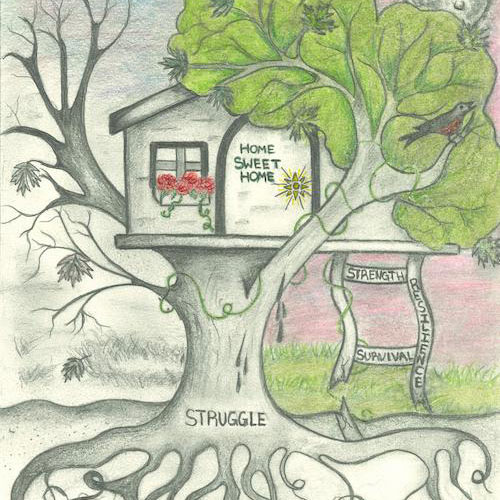
Join us for the last episode of our mini-series on homelessness and belonging, featuring Erin Dej and Jason Webb discussing "From Roots to Home," an art piece born from shared experiences of homelessness.

Join us for another episode of our mini-series on homelessness and belonging. The "Hum," as described by Connie Long, a peer and advocate in British Columbia, is the constant noise of dispossession as homeless people’s belongings are seized, stolen and destroyed.

Join us for the first episode in our mini-series on homelessness and belonging. In this episode, Avery is joined by guest hosts Marcus Sibley and Jessica Braimoh to discuss social belonging and homelessness in mid-sized Canadian cities.
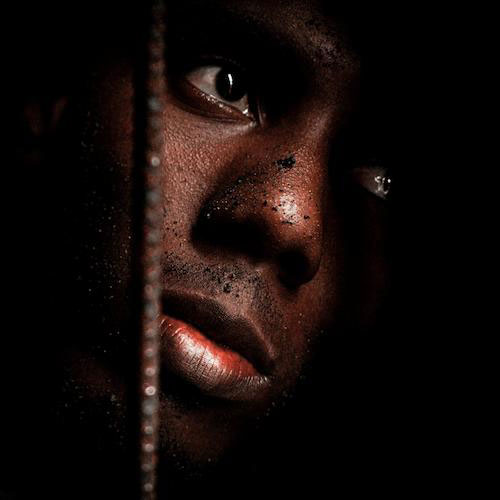
In this episode, we welcome Dr. Robert Ame to talk about his work on Black overrepresentation in the Canadian Youth Justice System and why he thinks ethnic associations play a critical role in the search for a solution.

In this episode, we look at critical perspectives on human trafficking in Canada - something that is often misunderstood and heavily policed. Included are the perspectives of academics doing research on human trafficking, an advocacy group representing indoor sex workers and a criminal defence lawyer who works primarily with migrant workers in Canada.

In this episode, we talk about the challenges facing equity and inclusion initiatives when it comes to attracting and retaining women police officers at all ranks. Our four guests are international experts in the field of diversity in policing.
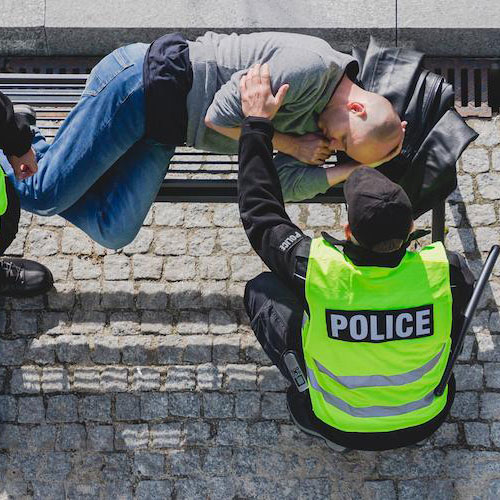
On this episode of CRSP Talk, CRSP researcher Jennifer Lavoie takes us through her own and other Canadian research on police responses to people in mental health crisis. Joining this conversation are professionals from mental health agencies, a police officer who works in training and a person with lived experience of police interactions while in mental health crisis.
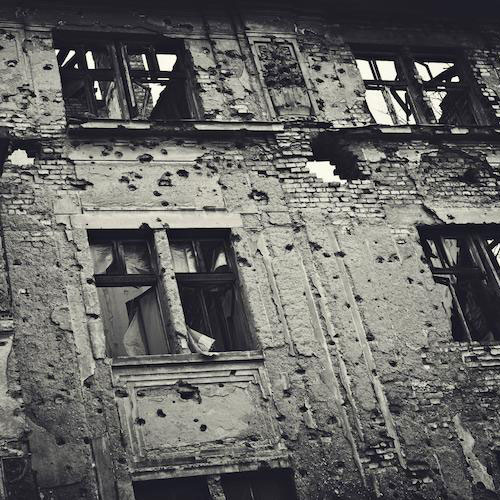
On this episode of CRSP Talk, we welcome Centre for Research on Security Practices researchers Bree Akesson and Andrew Basso to talk about their new book, Bureaucracy to Bullets: Extreme Domicide and the Right to Home. We discuss Bree and Andrew's work in warn-torn countries around the world, including their thoughts on how domicide can be applied to the Russian assault on Ukraine.

In this episode, we explore the idea of gaining research access to institutions like police agencies or corrections facilities. Securing access can be a complicated process with many barriers to entry, sometimes insurmountable for criminologists who want to conduct research on criminal justice or security institutions.
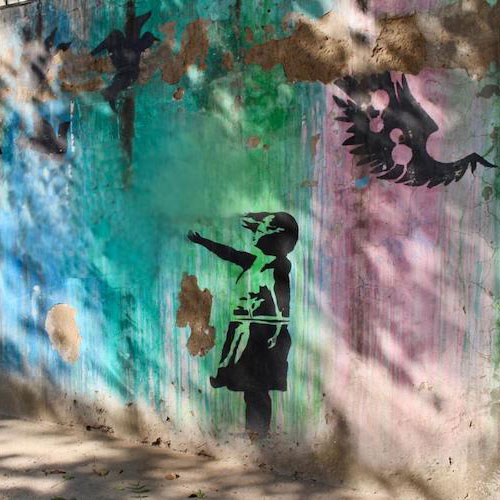
In this episode, Avery leads a panel discussion on conceptualizing trauma and suffering, and how research methods can be used to walk the tightrope of both acknowledging the reality of research participants' suffering, while also uncovering their everyday experiences and humanity.

On this episode, we bring you a case study on how people living in rural places perceive their personal safety and well-being, from what "community safety" means to how they (or how they don't) interact with the police in rural places. During this research project six rural community members from the County of Brant, Ontario were interviewed anonymously about their feelings of safety and well-being.

In this episode, we invite a panel of international researchers to discuss the importance of place in research. Led by Professor Susan Kemp from the University of Auckland in New Zealand, the panel discusses the importance of place in human security and the theoretical lens they bring to their research work.
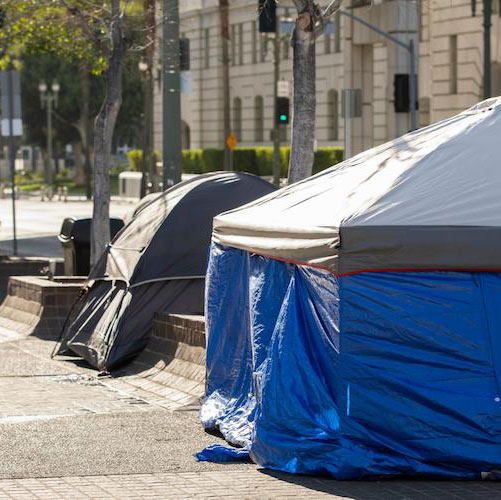
A brand new report on a groundbreaking survey completed by the Women's National Housing and Homelessness Network sheds new light on housing and homelessness in Canada as a gendered experience for women and gender diverse people. Network Co-Chair Kaitlin Schwan joins Avery to dive deep into the research and break down the 10 Key Findings that have changed the conversation on women's homelessness in Canada.
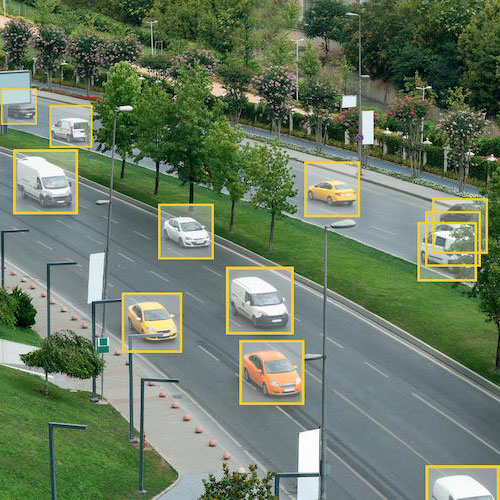
Alongside scholars and concerned journalists, a vibrant artistic movement is emerging to interrogate and intervene in security and surveillance operations. Critical surveillance art can be visually appealing, intensely participatory, and sometimes deeply troubling. In this episode, we feature the work of Heather Dewey-Hagborg and Dries Depoorter, two artists who take different approaches to critical surveillance art.
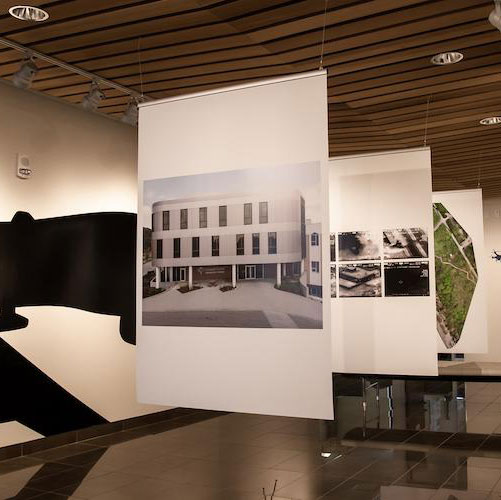
On this episode, we’re talking about visualizing security studies and how scholars are working with different aesthetic approaches to research. Our panel of guests includes Sara Matthews, Nayrouz Abu Hatoum and Brett Story, who all use visual representation as a way of thinking about security.
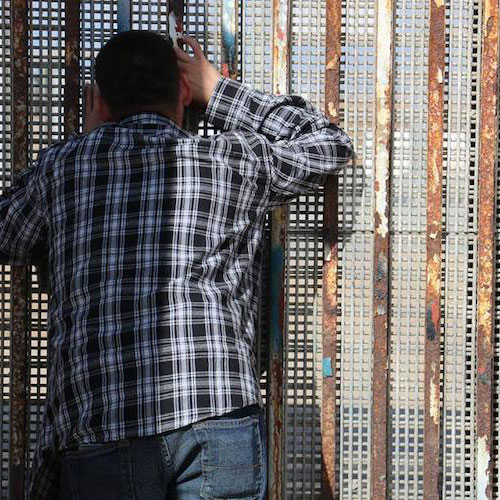
In this episode, we invite a panel of international researchers to discuss their experiences with research ethics while performing field work in international settings. This panel discussion was inspired by ongoing conversations between CRSP members and their colleagues about the challenges of practicing research ethics in the field.

In this episode, researchers discuss the expectations and evidence-based conclusions about body-worn camera efficacy. We speak to important issues of transparency, the need for policies that demonstrate care for their communities, and the need for organizational reform alongside effective technological integration.
In our first episode, we discuss the advantages of using podcasting as a way of sharing research findings. Because there is a diverse range of podcasting formats, selecting the one most appropriate for communicating your research stories can be difficult. To make choosing the right format a little easier, we explore the characteristics of four popular podcasting styles.